3-6 Vol. 1
BASIC EXECUTION ENVIRONMENT
•
Descriptor table registers — The global descriptor table register (GDTR) and interrupt descriptor table
register (IDTR) expand to 10 bytes so that they can hold a full 64-bit base address. The local descriptor table
register (LDTR) and the task register (TR) also expand to hold a full 64-bit base address.
3.3 MEMORY
ORGANIZATION
The memory that the processor addresses on its bus is called physical memory. Physical memory is organized as
a sequence of 8-bit bytes. Each byte is assigned a unique address, called a physical address. The physical
address space ranges from zero to a maximum of 2
36
−
1 (64 GBytes) if the processor does not support Intel
64 architecture. Intel 64 architecture introduces a changes in physical and linear address space; these are
described in Section 3.3.3, Section 3.3.4, and Section 3.3.7.
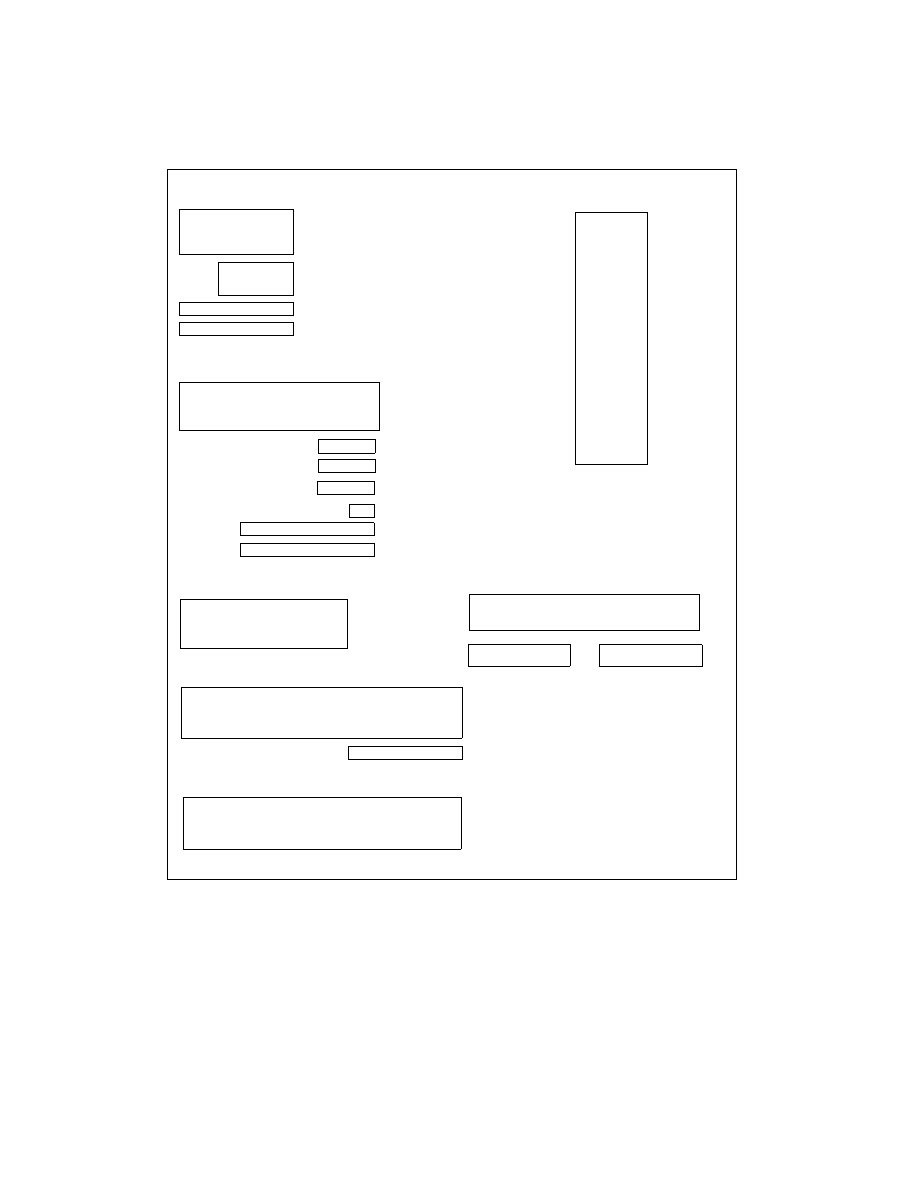
Figure 3-2. 64-Bit Mode Execution Environment
0
2^64 -1
Sixteen 64-bit
64-bits
64-bits
General-Purpose Registers
Segment Registers
RFLAGS Register
RIP (Instruction Pointer Register)
Address Space
Six 16-bit
Registers
Registers
Eight 80-bit
Registers
Floating-Point
Data Registers
Eight 64-bit
Registers
MMX Registers
XMM Registers
Sixteen 128-bit
Registers
16 bits
Control Register
16 bits
Status Register
64 bits
FPU Instruction Pointer Register
64 bits
FPU Data (Operand) Pointer Register
FPU Registers
MMX Registers
XMM Registers
32-bits
MXCSR Register
Opcode Register (11-bits)
Basic Program Execution Registers
16 bits
Tag Register
Four 128-bit Registers
Bounds Registers
BNDCFGU
BNDSTATUS
YMM Registers
Sixteen 256-bit
Registers
YMM Registers